
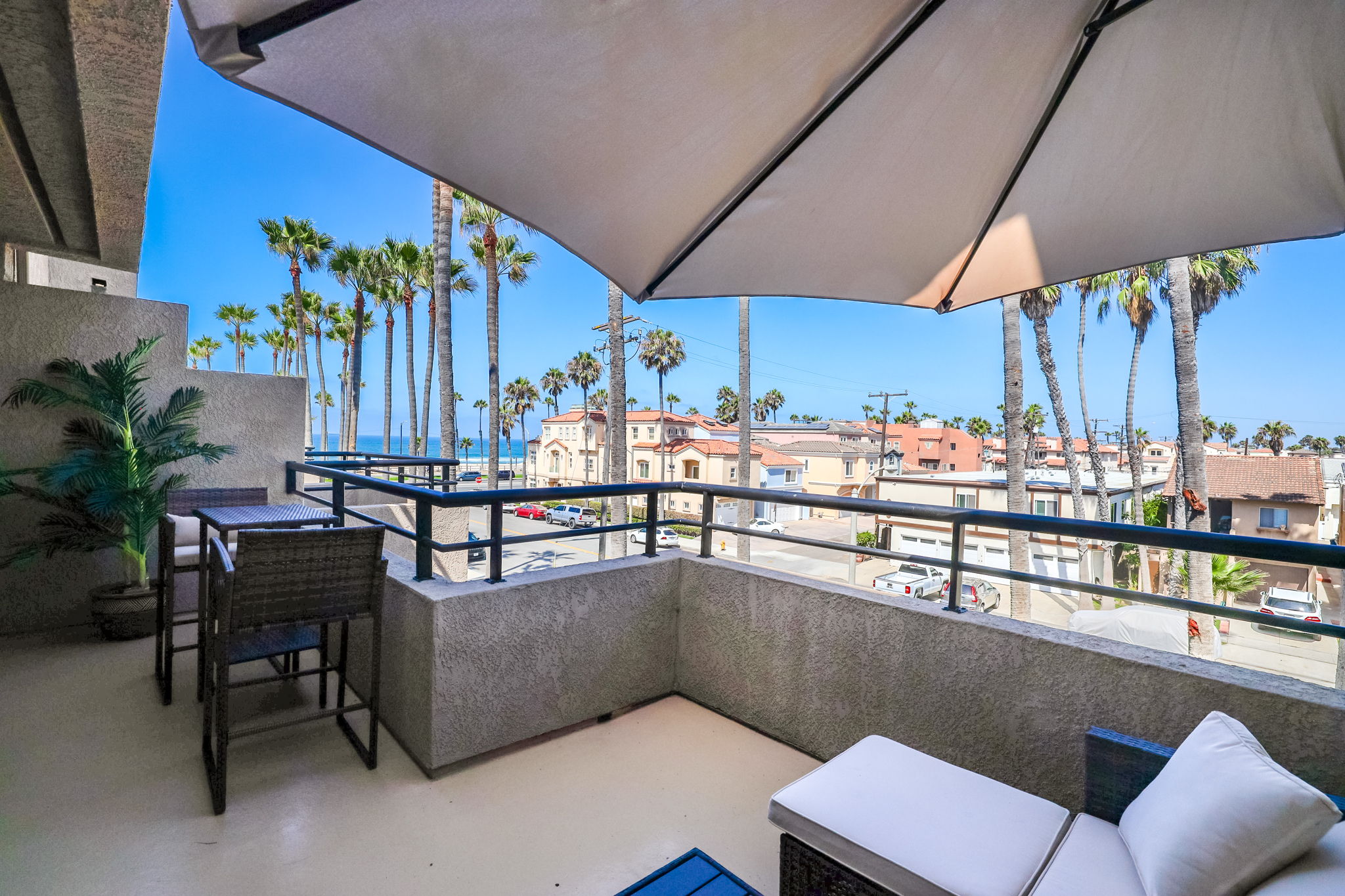
Renting out a condo in Orange County can be one of the smartest ways to generate steady income, especially in sought-after areas like Huntington Beach and Costa Mesa. But a condo comes with an extra layer that a single-family rental does not: the homeowners association. Between HOA rules, California landlord-tenant law, insurance requirements, and local market conditions, there is a lot to get right before you hand over a set of keys.
Owners who skip steps often run into denied leases, unexpected fees, or a tenant caught in the middle of an HOA dispute. This complete guide walks through everything involved in renting out your condo in Orange County, from checking your HOA's rules to pricing, leasing, screening, and managing the property once a tenant moves in.
Key Takeaways
- Your HOA's governing documents often determine whether, and how, you can rent out your condo at all.
- HOA rules and California landlord-tenant law both apply at the same time, and neither one overrides the other.
- A condo lease should clearly divide maintenance responsibility between the owner and the HOA.
- A full budget includes HOA dues, special assessments, and vacancy periods, not just expected rent.
- A well-organized process reduces disputes with tenants, the HOA, and neighbors alike.
Step 1: Check Your HOA's Rental Rules Before You Do Anything Else
Before you price the unit or take a single photo, pull out your HOA's Covenants, Conditions, and Restrictions, along with any separate rental policy. Many Orange County condo associations place real limits on rentals, and ignoring them can create problems that are difficult to undo.
Questions to Ask Your HOA Management Company
- Is there a cap on how many units can be rented at one time, and is there a waiting list?
- Is there a minimum ownership period required before you can lease the unit?
- What is the minimum allowable lease term?
- What documentation does the association require before move-in, such as a lease copy or tenant registration form?
- Are there move-in or move-out fees, and who typically pays them?
Get answers in writing whenever possible. HOA boards update policies from year to year, so a verbal answer from front desk staff is not the same as a confirmed, current policy.
Step 2: Understand That Two Rulebooks Apply at Once
It helps to think of your condo rental as governed by two separate sets of rules that both matter equally.
The HOA rulebook typically covers:
- Whether you can rent at all, and any rental cap in place
- Minimum lease terms
- Registration and lease approval procedures
- Community conduct rules, such as noise, guest limits, and amenity access
California state law typically covers:
- Security deposit limits and return timelines
- Required tenant disclosures
- Notice periods for entry, rent increases, and lease termination
- Habitability standards for the interior of the unit
- Fair housing protections during advertising and tenant screening
An HOA cannot take away a tenant's rights under California law, and state law does not override a valid HOA rental restriction. Both apply, so treat them as two separate checklists rather than one.
Step 3: Know What You Maintain Versus What the HOA Maintains
One of the biggest differences between a condo and a single-family rental is the division of maintenance responsibility.
Typically the HOA's responsibility:
- Roof, exterior walls, and structural elements
- Common area landscaping and lighting
- Shared amenities, such as pools, gyms, and clubhouses
- Exterior building insurance, in many associations
Typically the owner's responsibility:
- Interior plumbing, electrical, and systems
- Appliances
- Flooring, paint, and interior finishes
- Windows and doors, depending on the governing documents
- Unit-specific HVAC, in many cases
Since this split varies by association, review your CC&Rs closely so you know exactly what falls on you once a tenant is in place. This also affects how quickly you can respond to certain repairs, since HOA-related issues may take longer to resolve than ones you control directly.
Step 4: Put the Right Insurance in Place
A standard owner-occupied homeowner's policy is not built for a rental unit. Once you rent out your condo, you typically need a landlord-specific policy, often called an HO-6 rental policy.
This type of policy generally covers:
- The interior structure and any upgrades you have made
- Lost rental income if the unit becomes uninhabitable due to a covered event
- Liability protection if a tenant or guest is injured inside the unit
You should also require tenants to carry renter's insurance, since your policy will not cover their personal belongings.
Step 5: Budget for the Full Cost of Owning a Condo Rental
Rental income looks appealing on paper, but a realistic budget requires more than subtracting your mortgage from expected rent.
Recurring costs to include:
- Monthly HOA dues
- Rental-specific property insurance
- Property taxes
- Maintenance for anything the HOA does not cover
- Property management fees, if you hire one
Costs that are easy to overlook:
- Special assessments. HOAs occasionally charge a one-time fee to cover major repairs, such as a roof replacement, and these amounts are not always predictable.
- Vacancy periods. Even in a strong Orange County market, turnover between tenants can mean a month or more without rental income.
- Move-in and move-out fees. These are sometimes billed to the tenant and sometimes to the owner, so confirm this with your HOA before finalizing your lease terms.
Building these costs into your planning gives you a far more accurate picture of your true return.
Step 6: Price the Condo for the Orange County Market
Pricing depends on more than bedroom count and square footage.
What influences condo rental value in Orange County:
- Distance to the beach, downtown areas, or major employment centers
- Building amenities, such as pools, fitness centers, or secured entry
- Parking type, including covered, gated, or assigned spaces
- Unit floor level and views, in multi-story buildings
- Monthly HOA dues, which many renters research before applying
- Recent interior upgrades
Compare your unit to similar condos currently listed or recently leased nearby. Overpricing leads to a longer vacancy, while underpricing costs you money every month of the lease.
Step 7: Prepare the Unit Before You List It
A condo that shows well tends to rent faster and attract stronger applicants.
- Deep clean the entire unit, including carpets and grout
- Address minor repairs, such as loose hardware or dripping faucets
- Confirm all appliances are in working order
- Take photos in natural daylight, showing every major room
- Note the parking assignment clearly in your listing
If larger updates are needed, weigh the cost against the likely rent increase. Simple, neutral improvements, such as fresh paint and updated lighting, often deliver a better return than a major renovation.
Step 8: Advertise and Screen Without Legal Risk
Your listing and screening process should focus on the property, not the applicant.
Listing best practices:
- Describe the unit, building, and location, not the type of person you picture living there
- Include concrete details, such as square footage, parking, and amenities
- Apply the same screening standards to every applicant who applies
A consistent screening process should include:
- A rental application with verifiable information
- Identity verification
- Income and employment confirmation
- Credit and rental history review
- Confirmation that the applicant understands and accepts the HOA's rules
Consistency protects you from disputes and ensures every applicant is evaluated fairly using the same criteria.
Step 9: Write a Lease That Reflects Condo Living
A generic lease template often misses details that matter specifically in a shared-building setting.
Condo-specific provisions to include:
- A summary or attached copy of applicable HOA rules
- Clear parking assignments and guest parking limits
- Move-in and move-out procedures required by the HOA, including elevator or loading dock scheduling
- Noise expectations, given shared walls and hallways
- Trash and recycling procedures specific to the building
- A clear breakdown of maintenance responsibilities between tenant, owner, and HOA
- Standard California lease terms, including deposit amount, rent due date, and entry notice procedures
Attaching the HOA's rules directly to the lease helps tenants understand expectations from day one and reduces the chance of violations that could result in fines against you as the owner.
Step 10: Coordinate the Move-In With the HOA
Once you select a tenant, notify the HOA according to its registration requirements. This often includes:
- Submitting a signed lease copy
- Registering the tenant's name and contact information
- Scheduling a move-in date through building management, especially in secured or multi-story buildings
- Collecting any required move-in fee or deposit, if your lease allows reimbursement from the tenant
Skipping this step can lead to fines against the owner, so treat HOA notification as a required part of your leasing checklist rather than an optional formality.
Step 11: Manage the Ongoing Relationship Between Tenant, HOA, and Owner
Owning a rented condo means managing three relationships at once.
- Respond to maintenance requests promptly, especially for anything inside the unit
- Forward relevant HOA notices to your tenant, such as pool closures or building maintenance schedules
- Address HOA violation notices quickly to prevent repeated fines
- Keep records of all communication with both the tenant and the HOA
- Renew tenant registration with the HOA if required at lease renewal
Staying organized here prevents a small issue, like a missed HOA notice, from becoming a bigger problem later.
Should You Manage It Yourself or Hire Help?
Some owners handle everything themselves, especially if they live nearby and enjoy hands-on management. Others find that HOA coordination, tenant communication, and California compliance requirements add up to more than they want to manage alongside their own schedule.
Signs it may be worth hiring a property manager:
- You do not live near the property
- You own multiple rentals and are stretched thin
- You want help navigating HOA approval and registration steps
- You would rather focus on ownership decisions than day-to-day operations
- Past experience with tenant communication or maintenance coordination has been stressful
There is no single right answer. It depends on your available time, comfort level, and how hands-on you want to be as an owner.
FAQ: Renting Out a Condo in Orange County
Do I need permission from my HOA to rent out my condo? In many cases, yes. Associations commonly require lease approval, tenant registration, or both, and some cap the number of units that can be rented at one time.
What is a rental cap, and how does it affect me? A rental cap limits how many units in the association can be leased at the same time. If the cap is reached, you may need to join a waiting list before renting out your unit.
Can my HOA require a minimum lease term? Yes. Many Orange County associations require leases of six months or longer to discourage short-term rental activity within the community.
What insurance do I need to rent out a condo? Most owners need a landlord-specific policy, often called an HO-6 rental policy, covering the interior structure, liability, and lost rental income. Tenants should also carry renter's insurance.
Who is responsible for repairs in a rented condo, the owner or the HOA? This depends on the association's governing documents, but generally the HOA maintains shared structures and common areas, while the owner is responsible for the interior of the unit.
How do special assessments affect owners who rent out their condo? Special assessments are typically billed to the owner, not the tenant, so they should be factored into your financial planning as an unpredictable but real cost of condo ownership.
Is it harder to rent out a condo than a single-family home in Orange County? Not necessarily harder, but it does involve extra steps, since you are working within both HOA rules and California landlord-tenant law at the same time.
Rent Out Your Condo the Right Way
Renting out your condo in Orange County can be a rewarding source of income, especially in desirable areas like Huntington Beach and Costa Mesa. Success comes down to preparation: understanding your HOA's rules, budgeting realistically, pricing correctly, and building a lease that reflects the realities of shared-building living.
Sail Properties works with local condo owners to navigate HOA requirements, screen qualified tenants, and manage the details that keep condo rentals running smoothly. If you want experienced guidance from the first HOA phone call to move-in day, reach out to Sail Properties today. Visit www.sailproperties.com or email us at team@sailproperties.com to get started.
Disclaimer: This article is for informational purposes only and does not constitute legal advice. HOA rules, insurance requirements, and rental regulations vary by association and change over time. Consult your HOA management company, an insurance professional, or a qualified attorney for guidance specific to your property.
