
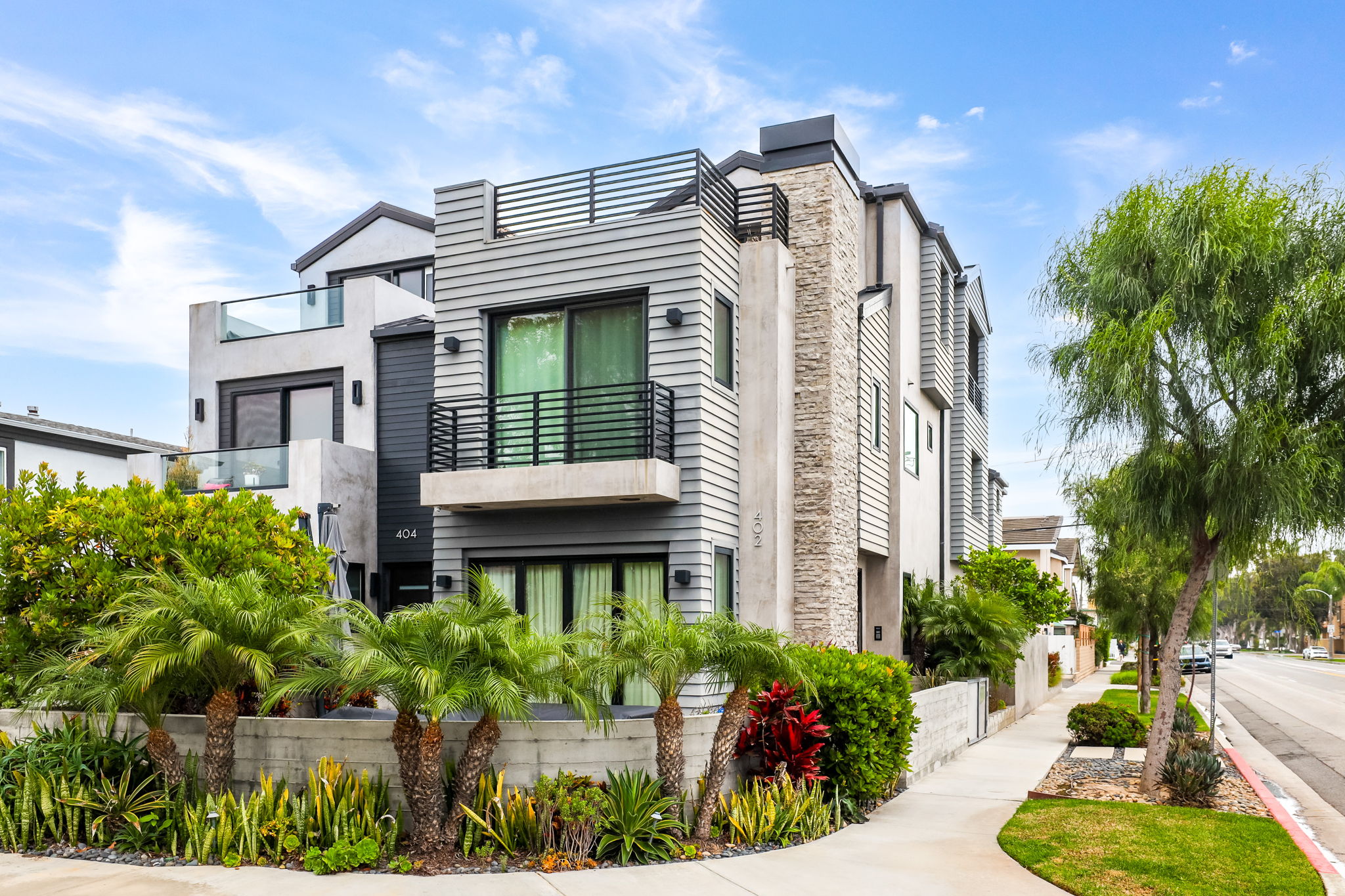
Best Time of the Year to Rent Your Property in California: A Landlord’s Guide
If you own a rental home in California, timing can make a major difference in how fast your property rents, how much rent you can charge, and the quality of tenants you attract. Many landlords focus on pricing and upgrades, but overlook one of the most powerful tools available: seasonality.
In this guide, we’ll break down the best time of year to rent your property in California, why timing matters, and how self-managed landlords can use seasonal trends to reduce vacancy and maximize rental income.
Why Timing Matters for California Landlords
California’s rental market is highly competitive—but it’s not static. Tenant demand rises and falls throughout the year due to:
School calendars
Job relocations
Weather
Lease cycles
Holidays
Economic conditions
Knowing when demand peaks allows landlords to:
Rent faster
Command higher rent
Avoid concessions
Choose from stronger applicants
For rental homeowners, especially those self-managing, good timing reduces stress and costly vacancies.
The Best Time to Rent a Property in California: Late Spring Through Summer
Peak Rental Season: May through August
For most California rental homes, late spring and summer are the best times to rent.
Why Demand Is Highest
Families move before the new school year
College students and graduates relocate
Job transfers and new hires peak
Better weather encourages moving
Longer daylight hours increase showings
During this period, landlords typically see:
More inquiries
Faster leasing times
Less price resistance
Multiple applicants per listing
If you have flexibility, aiming for a May–July lease start date often delivers the strongest results.
Why Summer Renters Are Often Higher Quality
Contrary to common belief, summer renters are not just “seasonal movers.”
Summer applicants often:
Have planned relocations
Are financially prepared
Are moving for work or school
Are willing to commit to longer lease terms
This gives landlords more leverage to:
Enforce screening standards
Select qualified tenants
Reduce long-term turnover
The Worst Time to Rent a Property in California
Slow Season: November through January
Late fall and winter are generally the hardest months to rent a property.
Why Demand Drops
Holidays disrupt moving plans
Shorter days limit showings
Weather (rain, travel) slows activity
Fewer job relocations
Families avoid mid-school-year moves
Landlords often experience:
Fewer inquiries
Longer vacancy periods
More price sensitivity
Requests for concessions
This doesn’t mean rentals won’t lease—but expectations must adjust.
Renting During the Winter: What Landlords Should Expect
If your rental becomes available in winter, success depends on strategy.
Winter Leasing Tips
Price slightly below peak-season rents
Ensure excellent photos and lighting
Be flexible with showing times
Highlight move-in incentives carefully
Focus on tenant quality over speed
Winter renters often include:
Job relocations with fixed timelines
Divorce or life-change moves
Tenants displaced by sales or renovations
These renters can be stable long-term tenants—but landlords need patience.
Shoulder Seasons: Spring and Fall
Early Spring (March–April)
Demand begins to rise
Good time to prepare listings
Pricing power increases gradually
Early Fall (September–October)
Demand tapers but remains steady
Good for professionals and non-family tenants
Pricing may still hold if inventory is low
These periods can work well if:
The property is priced correctly
Competition is limited
The home shows well
How Lease Expiration Timing Impacts Long-Term Results
One overlooked strategy is planning lease end dates.
Why Lease Timing Matters
If your lease expires in:
Summer → easier re-renting, higher rent
Winter → harder re-renting, lower leverage
Many experienced landlords structure leases to:
End between May and August
Avoid November–January expirations
Example:
Start a lease in July
Use a 12-month or 18-month term
Align future turnovers with peak season
This long-term planning reduces vacancy risk year after year.
Pricing Strategy by Season
Peak Season Pricing (May–August)
Price at or near top-of-market
Expect strong inquiry volume
Avoid unnecessary concessions
Off-Season Pricing (November–January)
Consider slightly lower rent
Focus on net income vs. vacancy loss
Avoid overpricing “just to test”
A vacant property costs more than a slightly discounted rent.
Seasonal Considerations for Different Property Types
Single-Family Homes
Strongest demand in summer
Families prioritize school timing
Lease timing is especially important
Condos and Apartments
Slightly less seasonal
Still peak in summer
Professionals may move year-round
Coastal and Lifestyle Markets
Summer demand can be extreme
Competition also increases
Professional presentation matters more
Renovations and Timing: When to List After Upgrades
If you’re renovating:
Finish by early spring if possible
List immediately after completion
Avoid delaying until winter unless necessary
Freshly renovated properties perform best when demand is high.
What About Market Conditions?
Seasonality still matters—but it interacts with:
Interest rates
Housing supply
Job growth
Local rent control laws
Even in slower markets, summer typically outperforms winter for leasing.
Common Mistakes California Landlords Make
Avoid these timing errors:
Letting a property sit vacant waiting for summer without adjusting price
Ending leases in winter unintentionally
Ignoring seasonal pricing adjustments
Listing during holidays without flexibility
Over-renovating mid-lease without timing the market
SEO FAQ: Best Time to Rent a Property in California
What is the best month to rent a house in California?
June and July are typically the strongest months.
Is it harder to rent in winter?
Yes, demand is lower and vacancies last longer.
Should I wait until summer to list my rental?
Only if vacancy cost is lower than waiting. Often pricing adjustment works better.
Do rents go up in summer?
Often yes, due to increased demand.
Final Thoughts: Timing Is a Strategic Advantage
For California landlords, knowing the best time of year to rent your property can significantly improve results. While summer is generally the strongest season, smart landlords adapt pricing, lease terms, and expectations throughout the year.
By planning ahead, aligning lease expirations, and understanding seasonal demand, rental homeowners can:
Reduce vacancy
Improve tenant quality
Increase long-term cash flow
Disclaimer: This article is for informational purposes only and does not constitute legal or financial advice. Rental markets and laws vary. Consult qualified professionals for guidance specific to your property.
