
How Huntington Beach Landlords Can Prepare a Security Deposit Disposition Like a Pro
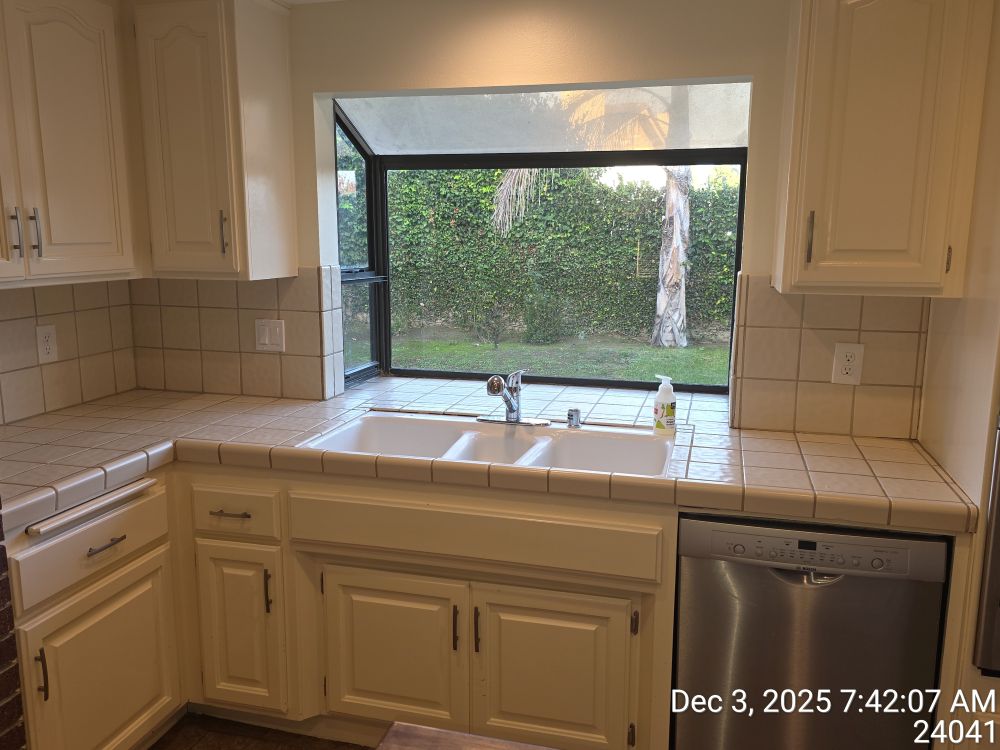
As a Huntington Beach landlord, few moments are more critical than finalizing a tenant’s move-out and handling their security deposit. The Disposition of Security Deposit is not only a legal requirement under California Civil Code §1950.5—it’s also an opportunity to demonstrate professionalism, maintain good landlord-tenant relations, and protect your financial interests.
In this guide, we’ll walk you through exactly how to prepare a Security Deposit Disposition from start to finish, based on best practices used by top property management companies in Orange County. You’ll also find tips specific to Huntington Beach’s rental market, where attention to detail and documentation can make or break your compliance.
What Is a Security Deposit Disposition?
A Security Deposit Disposition (also called a Security Deposit Refund Statement or Security Deposit Accounting) is the final statement you provide to a tenant after they move out. It itemizes any deductions made from their security deposit for:
Unpaid rent
Cleaning fees
Repairs beyond normal wear and tear
Legal or lockout fees
Any other lawful deductions
California law requires landlords to send this written statement, along with any refund due, within 21 days of the tenant vacating the property.
Failing to meet this deadline or provide sufficient documentation can expose Huntington Beach landlords to penalties—up to twice the amount of the deposit, plus court costs.
Step-by-Step Guide: How to Prepare a Security Deposit Disposition
Below is a practical workflow inspired by professional property management procedures to help landlords handle dispositions efficiently and legally.
Step 1: Gather Essential Information
Start by opening your tenant’s profile in your property management software (like AppFolio or Buildium). Confirm that:
The tenant’s forwarding address is listed.
You have access to the original lease agreement.
The security deposit amount matches what was collected at move-in.
Having accurate information upfront ensures that all calculations and communications are correct.
Step 2: Locate Your Master Form
Every landlord should have a master “Security Deposit Disposition Form”—a template you can reuse for each property. Store this file in a secure, organized system such as Dropbox or Google Drive.
🔹 Tip: Never edit your master form directly. Always save a new copy labeled with the tenant’s name and property address (e.g., “Loomer_Disposition.docx”).
Step 3: Complete Tenant and Property Details
Fill out all key fields in the disposition form, including:
Date Prepared
Tenant Name(s)
Forwarding Address
Lease Dates
Property Address
Security Deposit Amount
Cross-check this data with your lease agreement and accounting system to avoid discrepancies.
Step 4: Itemize Deductions with Full Transparency
Under the Deductions section, clearly list each charge you’re withholding from the deposit. Common categories include:
Cleaning: Carpet shampooing, trash removal, or deep cleaning.
Repairs: Broken blinds, wall holes, appliance damage.
Unpaid Rent or Fees: Include any late rent or outstanding utilities.
Legal Costs: Attorney or lockout fees, if applicable.
Each deduction should have supporting documentation—such as invoices, receipts, or photos. Avoid vague labels like “repairs” or “miscellaneous”—specificity helps protect you legally.
💡 Huntington Beach Landlord Tip: Tenants often challenge cleaning deductions. Always document “before” and “after” photos from the move-in and move-out inspections to justify charges.
Step 5: Double-Check Totals
Accurate math is essential. Add up your deductions and subtract them from the total deposit. If the deductions exceed the deposit, you cannot charge more unless your lease specifies otherwise.
Be sure to sign and date the form as the leasing agent or property owner.
Step 6: Prepare Supporting Documentation
Compile all relevant materials in one file to present a professional and transparent disposition packet. Include:
The completed Disposition of Security Deposit form (PDF)
Invoices and receipts for cleaning or repairs
The tenant statement or accounting ledger, if applicable
Move-out inspection photos (preferably time-stamped)
You can easily merge these documents using free online tools like combinepdf.com.
Save the combined file as:
“Disposition for [Tenant’s Full Name].pdf”
Step 7: Review and Approval
If you work with a property manager, send the completed packet to your leasing manager for review. They’ll verify that all deductions comply with California law and company policy.
Then, forward the approved disposition to the property owner (if applicable) for final approval. A professional email might read:
“Good morning,
Please find attached the Disposition for the previous tenant [Tenant Name] at [Property Address] for your review and approval.
Let me know if I have your approval to proceed.
Thank you!”
Step 8: Issue the Refund or Collect Balance Due
Once approved, email your accounting department (or handle directly if self-managed) to issue a refund check for any remaining balance due to the tenant.
Attach a copy of the check to your final disposition packet before uploading it to your records.
Step 9: Upload and Mail the Finalized Disposition
Upload the full disposition packet—including the refund check copy—to your property management system (e.g., AppFolio → Tenant → Attachments).
Then mail a hard copy to the tenant’s forwarding address.
Important: Clearly label the envelope:
“Security Deposit Disposition”
(below your return address)
This ensures returned mail can be quickly identified and properly filed.
Legal Compliance for California and Huntington Beach Landlords
Under California Civil Code §1950.5, landlords must:
Return the deposit (minus lawful deductions) within 21 days of move-out.
Provide itemized deductions with supporting documentation.
Include receipts or invoices for any deductions exceeding $125.
Allow tenants to request a pre-move-out inspection to correct issues before deductions.
Failure to follow these steps can lead to costly tenant disputes, court penalties, and damage to your reputation.
🏖️ Local Note: Huntington Beach tenants are particularly aware of their rights under California law. Maintaining detailed records protects you from claims and helps maintain positive online reviews and community trust.
Common Mistakes Huntington Beach Landlords Should Avoid
Missing the 21-day deadline: This is the most common and most penalized mistake.
Not providing documentation: Always attach receipts and photos.
Deducting for normal wear and tear: For example, faded paint or minor carpet wear is not deductible.
Failing to communicate: Keep your tenant informed throughout the move-out process to avoid misunderstandings.
Why a Professional Approach Matters
A properly prepared Disposition of Security Deposit builds credibility and prevents legal issues. It shows tenants that you handle business transparently and fairly—key traits for thriving in Huntington Beach’s competitive rental market.
Even if you self-manage your property, adopting a systematic process like the one above can save you time, reduce stress, and ensure full compliance with California law.
Final Thoughts
Handling a tenant’s security deposit may seem routine, but it’s one of the most legally sensitive parts of property management.
By following a structured, transparent, and well-documented process, Huntington Beach landlords can avoid disputes, stay compliant, and maintain strong tenant relationships.
For a smooth move-out process and professional documentation, consider implementing digital systems like AppFolio or hiring an experienced local property management team familiar with Orange County regulations.
