
The Difference Between Managing Single-Family Homes and Multifamily Properties: A Guide for Self-Managed Landlords
If you’re a self-managed landlord, you already know property management can be both rewarding and challenging. But not all investment properties are created equal. Managing a single-family home is a completely different experience from running a multifamily property — from tenant relationships to maintenance, finances, and legal compliance.
Whether you currently manage one rental or are considering expanding into multifamily real estate, understanding these differences can help you make smarter decisions, reduce stress, and improve your bottom line.
In this guide, we’ll break down the key differences between managing single-family and multifamily properties, with practical tips for self-managed landlords who want to stay organized, profitable, and compliant.
1. Tenant Relationships and Turnover
Single-Family Homes: More Personal Connections
In a single-family rental, landlords often have a closer, more personal relationship with tenants. There’s usually just one household, so communication tends to be more direct and individualized. Many single-family renters stay longer because they treat the home like their own — they might have kids in local schools or be saving to buy in the area.
For self-managed landlords, this can mean lower turnover and more stable cash flow, but it also means taking the time to build trust and respond quickly to maintenance requests. A good tenant in a single-family home is worth keeping long-term.
Multifamily Properties: Managing Multiple Personalities
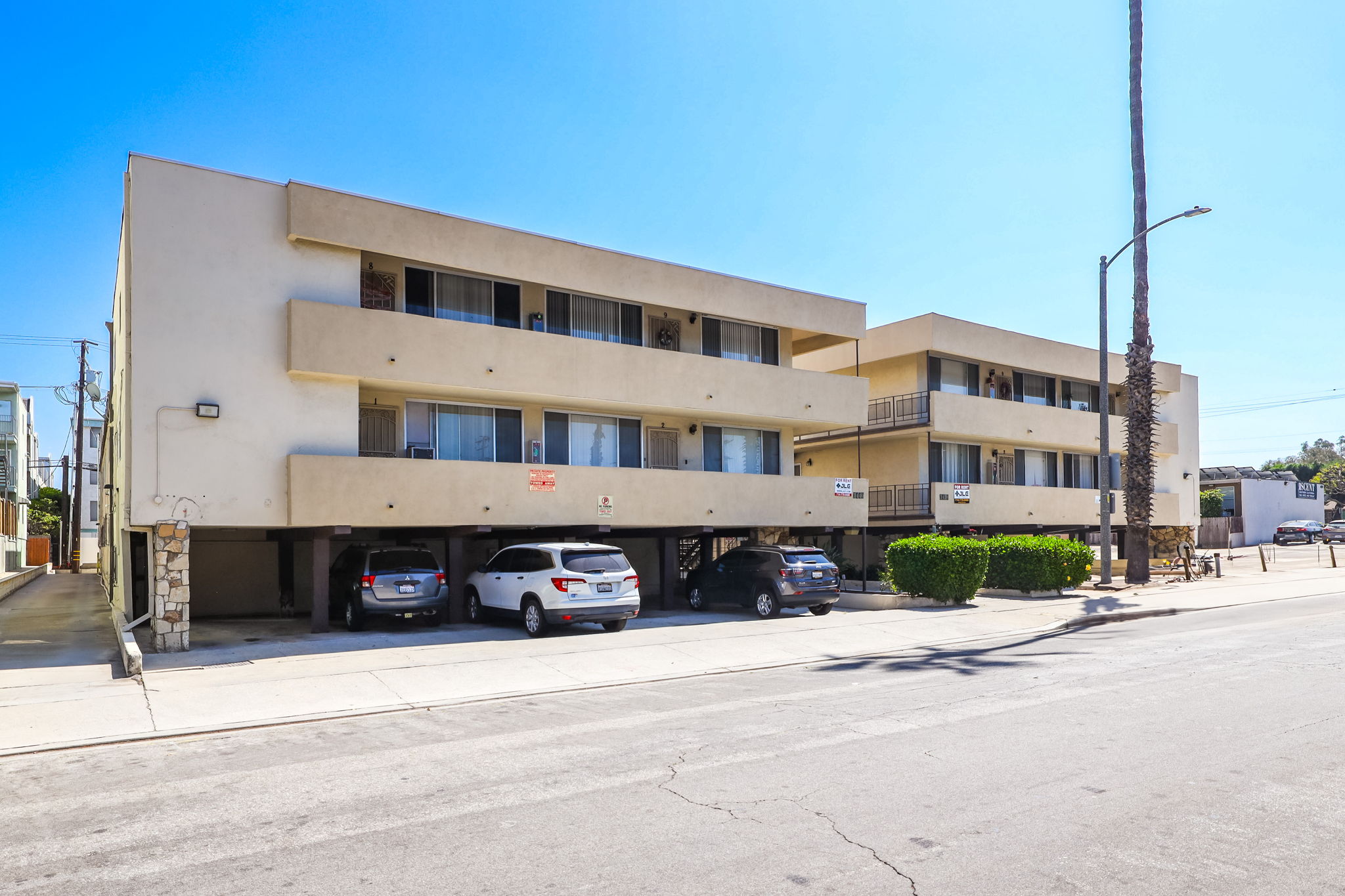
In a multifamily setting — duplexes, triplexes, or apartment buildings — you’ll deal with multiple tenants under one roof, each with their own needs and communication styles. Conflicts between tenants can arise over noise, parking, or shared spaces.
This means your role shifts from individual caretaker to on-site manager or mediator. Having clear rules, lease agreements, and communication systems in place is essential to maintain harmony and professionalism.
SEO Tip: Self-managed landlords searching for “how to manage multiple tenants” or “tips for multifamily property management” are often looking for these insights — this section targets those search queries directly.
2. Maintenance and Repairs
Single-Family Homes: Simpler Systems
Single-family homes usually have fewer maintenance demands. You’re dealing with one HVAC system, one plumbing system, one yard, and one set of appliances. Scheduling repairs and inspections is simpler because there’s just one tenant to coordinate with.
However, single-family homes can also mean more downtime between tenants. When the property is vacant, there’s no other unit generating income to cover expenses. That’s why preventive maintenance is key — it helps avoid big costs between leases.
Multifamily Properties: Shared Systems and More Complexity
Multifamily properties are maintenance-intensive. You might have shared plumbing lines, roofing, or common areas that require regular cleaning and upkeep. While this adds complexity, it also creates economies of scale — one plumber visit can service multiple units, and maintenance costs per unit are often lower overall.
Self-managed landlords should consider creating a maintenance schedule and keeping a list of reliable vendors. For small multifamily properties, outsourcing certain maintenance tasks to a handyman or service company can save you time and headaches.
3. Financial Management and Cash Flow
Single-Family Homes: Simpler Accounting
Managing finances for a single-family rental is usually straightforward. You’ll have one rent payment to collect, one set of expenses, and one tenant deposit to track. Budgeting and bookkeeping are simpler — perfect for new self-managed landlords who prefer a hands-on approach.
The downside? Income risk is concentrated. If your single tenant moves out or misses rent, your entire property becomes a liability until re-rented.
Multifamily Properties: Diversified Income Streams
With multifamily real estate, even if one unit is vacant, the other units can continue generating income. This helps smooth out cash flow fluctuations and provides more stability in uncertain markets.
However, the bookkeeping can get more complicated. You’ll have multiple rent payments, deposits, and maintenance invoices to track. Using a property management software — even as a self-managed landlord — can make this much easier. Tools like Buildium, Rentec Direct, or Stessa help automate rent collection and expense tracking while keeping you organized for tax season.
4. Leasing and Marketing
Single-Family Homes: Targeting Long-Term Renters
Single-family homes often attract families, professionals, or individuals looking for long-term housing. Your marketing should highlight privacy, space, and community features — things like fenced yards, good school districts, and quiet neighborhoods.
Leasing tends to be more stable, but vacancies can last longer since fewer people are looking for a full single-family rental compared to smaller apartments.
Multifamily Properties: Faster Turnover, Broader Appeal
Multifamily units typically attract a wider variety of renters, including students, young professionals, and retirees. Units are smaller, so pricing is more accessible, and turnover happens more frequently.
For self-managed landlords, this means more frequent marketing, showings, and lease signings — but also more opportunities to adjust rent rates and stay competitive in the local market. Using online listing platforms like Zillow, Apartments.com, and Facebook Marketplace can help you keep occupancy high year-round.
5. Legal Compliance and Documentation
Single-Family Homes: Basic Local Regulations
Most single-family rentals are subject to standard landlord-tenant laws around security deposits, disclosures, and maintenance. While these rules can vary by city and county, they’re relatively simple to manage if you stay organized and use proper documentation.
However, self-managed landlords should still know their local housing ordinances, especially if they rent to Section 8 tenants or have properties in rent-controlled areas.
Multifamily Properties: Stricter Requirements
Multifamily properties often fall under additional regulations, such as fair housing laws for shared spaces, habitability standards for multiple units, or parking and waste management ordinances.
You may also need to comply with fire safety inspections, accessibility standards, and annual building certifications depending on your location. These add administrative work, so keeping detailed records and creating checklists can help you stay compliant.
SEO Tip: This section targets queries like “multifamily landlord laws” and “self-managing multifamily building compliance.”
6. Tenant Screening and Rent Collection
Single-Family Homes: One High-Quality Tenant
With only one tenant, screening becomes critical. A missed rent payment means 100% of your income stops. Focus on finding long-term, financially stable renters with good credit and references.
Rent collection is usually straightforward, and many self-managed landlords prefer using ACH transfers or payment apps to make it easier for tenants to pay on time.
Multifamily Properties: Consistency Over Perfection
In multifamily rentals, you’ll have several tenants at once — so the focus shifts to consistency rather than perfection. Even if one tenant is late, your other units continue producing income.
Using an online payment portal can help automate rent collection across all units, reducing administrative work and improving cash flow predictability.
7. Exit Strategy and Long-Term Value
Single-Family Homes: Easier to Sell
When it’s time to sell, single-family homes are easier to liquidate. You can sell to homebuyers or investors, giving you more options. These properties also tend to appreciate faster in desirable neighborhoods, especially if well maintained.
Multifamily Properties: Stronger Cash Flow, More Complex Sales
Multifamily properties are often valued based on income potential, not comparable home sales. This can make them more profitable long-term but also more complex to sell. Investors will evaluate your rent rolls, maintenance records, and operating income, so detailed documentation matters.
Final Thoughts for Self-Managed Landlords
For self-managed landlords, the choice between a single-family home and a multifamily property comes down to your time, management style, and investment goals.
If you prefer simplicity, personal tenant relationships, and minimal oversight — a single-family home may be best.
If you’re focused on building long-term wealth, scaling income, and handling multiple tenants — multifamily properties offer greater financial upside.
Both paths can be profitable with the right systems, communication, and organization in place. Start small, learn the ropes, and invest in tools that make your life easier — because great property management begins with great structure.
