
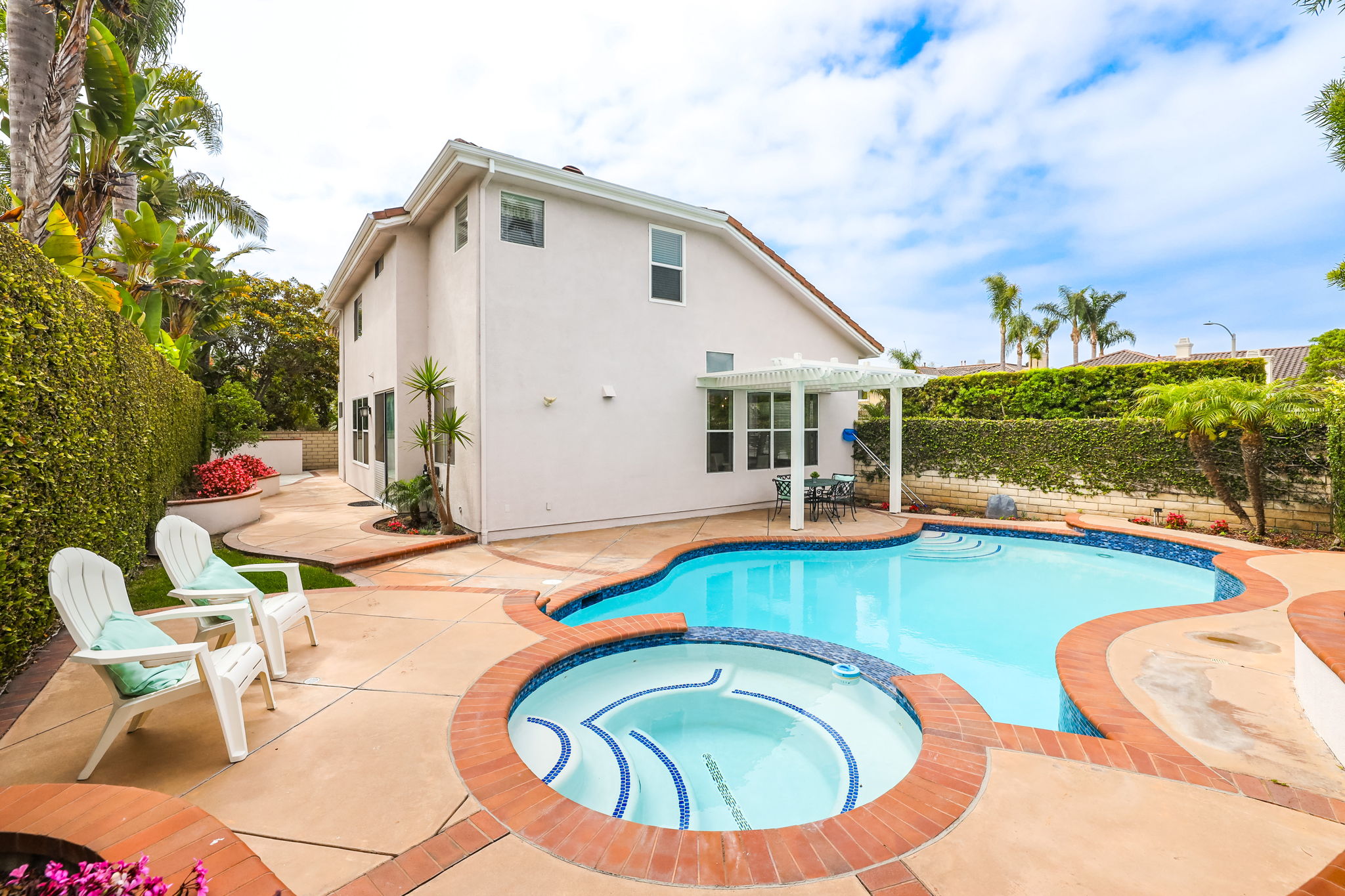
Legal Requirements for Renting Out a Home With a Pool in Orange County (Landlord Guide)
Renting out a single-family home with a pool in Orange County can be a great premium amenity—but it also increases your legal exposure. Between California’s residential pool safety laws, Orange County’s additional barrier requirements, and general landlord duties to maintain safe premises, you’ll want a clear compliance plan before you hand over the keys.
This guide covers the core legal requirements and the practical steps self-managed landlords should take when renting a home with a pool in Orange County.
Legal note: This is general information, not legal advice. For advice on your specific property, talk to a California attorney and/or a licensed pool contractor/inspector.
1) Start With California’s “Swimming Pool Safety Act”
California’s Swimming Pool Safety Act applies to residential pools and spas and sets baseline safety standards and features. Justia+1
One key concept: when a building permit is issued for construction of a new pool/spa (and in some cases remodel/modification work), the pool must meet specific safety requirements—including barriers and anti-entrapment circulation/drain rules. Justia+1
Common state-law safety features you’ll see referenced
California law recognizes multiple types of safety protections such as:
An enclosure/barrier that isolates the pool
Removable mesh fencing meeting ASTM standards with a self-closing/self-latching gate
A safety pool cover meeting ASTM standards
Exit alarms on doors/windows providing direct access to the pool area (when there’s no intervening enclosure)
Self-closing/self-latching door devices with required latch height (when doors open directly to pool area) FindLaw Codes+2California.Public.Law+2
Landlord takeaway: Even if your pool is older, if you pull permits for pool work, you may trigger modern compliance requirements—especially for drains and safety features. longbeach.gov+1
2) Orange County Adds a “Secondary Pool Barrier” Requirement
Orange County is stricter than the state baseline in a practical way: it requires a secondary layer of protection.
Per an Orange County Public Works “Swimming Pool/Spa Note Sheet,” a secondary pool barrier is required (referencing County of Orange Ordinance 19-006). The note sheet lists acceptable secondary barriers such as:
Removable mesh fence (with a self-closing, self-latching gate that can accept a key-lockable device), located more than 20 inches from the water edge, or
A safety pool cover, or
A pool alarm for entrance into the water, or
Another approved method providing equal or greater protection ocds.ocpublicworks.com+1
Landlord takeaway: In Orange County, you should think “layers”: the primary enclosure plus a secondary barrier/feature.
3) Barrier and Gate Rules: Height, Openings, Latches, Door Protections
Orange County’s note sheet summarizes several barrier and access-control requirements you should expect inspectors to focus on:
Pool/spa must be enclosed by minimum 5-foot fencing
No openings greater than 4 inches
Gates must be self-closing and self-latching
Gate latch height requirements (the note sheet calls out latch placement requirements)
If a wall of the home is used as part of the enclosure, door openings must have exit alarms or self-closing/self-latching devices (with minimum height requirements) ocds.ocpublicworks.com+1
Self-managed landlord best practice:
Before listing the property, do a “child-safety walkthrough” as if you’re an inspector:
Can a child reach the latch?
Does any gate swing the wrong way or fail to close?
Are there climbable footholds near the fence line (planters, AC units, furniture)?
4) Pool Drain & Entrapment Safety (A Big Liability Issue)
Drain entrapment is a major safety hazard, and compliance often comes up when permits are pulled.
Orange County’s note sheet calls out:
“Two return drains required” with anti-vortex covers and spacing guidance
A reference advising contractors to follow Health & Safety Code section 115928 for proper drain system installation
Drain/grate/protective devices and skimmer covers must be approved prior to installation ocds.ocpublicworks.com+2ocds.ocpublicworks.com+2
Separately, federal guidance connected to the Virginia Graeme Baker Pool and Spa Safety Act emphasizes certified, compliant drain covers for safety. Pool Safely+1
Landlord takeaway: If you don’t know the age/type of your drains and covers, have a qualified pool professional confirm compliance—especially before any renovation or re-plaster work that may involve permits.
5) Permits, Inspections, and Code Triggers
You don’t need a new permit just because you’re renting the home. But you do need to be careful about work you perform before or during tenancy.
Orange County’s note sheet includes items typically tied to permitted pool work and inspections, including:
Special inspection during gunite/shotcrete placement
Electrical conformance, bonding requirements, gas/piping conformance (for heaters), and other construction standards ocds.ocpublicworks.com+1
Practical rule: If you’re doing anything beyond minor maintenance—new heater, major electrical changes, structural pool work—assume you may need permits and inspections, and that updated safety requirements could be enforced.
6) Tempered Glass Near Pools
This one surprises owners: Orange County’s note sheet states glazing within 5 feet of the water edge shall be tempered. ocds.ocpublicworks.com+1
Landlord takeaway: If you have older sliding doors or low windows close to the pool, consider confirming the glass type. Tempered glass reduces the risk of severe injury if it breaks.
7) Noise Rules for Pool Equipment
Orange County’s note sheet also references pool equipment noise compliance with the county noise ordinance. ocds.ocpublicworks.com+1
Landlord takeaway: A new variable-speed pump can be great, but if it’s installed poorly (or runs at high RPM overnight), you can trigger neighbor complaints. Set reasonable run schedules and keep documentation of equipment specs.
8) Your General Legal Duty as a Landlord: Reasonable Safety & Inspection
Beyond pool-specific statutes, California landlords have a general duty to keep rental property reasonably safe and to conduct periodic inspections when they have the legal right to possess/enter. Justia
California also emphasizes habitability and safe/maintained housing obligations generally. California DOJ Attorney General
What that means for a rental pool:
Fix broken gates/latches promptly
Address slippery surfaces, broken pool lights, missing drain covers, loose coping, etc.
Keep the pool area in safe condition and document maintenance
9) Lease Language and House Rules You Should Treat as “Required”
While not “statutes,” strong lease terms reduce risk and help show you took safety seriously. Consider adding (through your attorney or California lease template provider):
Pool use is at tenant’s risk; no lifeguard on duty
Children must be supervised; no diving rules (if applicable)
No tampering with gates, alarms, drain covers, or safety barriers
Clear responsibility for pool service, chemical handling, and reporting leaks/equipment failures
Guest limits and after-hours noise expectations
Pro tip: If you provide pool service, state when vendors may enter the yard and how tenant pets will be secured.
10) A Compliance Checklist for OC Landlords Renting a Home With a Pool
Use this pre-listing checklist:
Barriers & Access
5’ minimum fence/enclosure; gaps comply; gates self-closing/self-latching ocds.ocpublicworks.com
Door protections if the home forms part of the enclosure (exit alarms or self-closing/latching devices) ocds.ocpublicworks.com+1
Secondary barrier/feature (mesh fence, cover, pool alarm, etc.) per OC ordinance guidance ocds.ocpublicworks.com
Pool Mechanical & Safety
Confirm drains/covers and circulation safety; especially if any permitted work occurred ocds.ocpublicworks.com+2Justia+2
Pool lighting and electrical bonding safe and compliant if modified ocds.ocpublicworks.com
Surroundings
Tempered glass within 5’ of water edge ocds.ocpublicworks.com
Equipment noise and run schedule reasonable ocds.ocpublicworks.com
Operations
Written pool rules + lease addendum
Maintenance logs + vendor invoices + photos of barriers/latches
Bottom line
To legally (and safely) rent a home with a pool in Orange County, you need to comply with California’s residential pool safety framework and Orange County’s secondary barrier requirement, and you must maintain the property so it’s reasonably safe for tenants and guests. ocds.ocpublicworks.com+2FindLaw Codes+2
