
Can a California Landlord Charge a Cleaning Fee? What Landlords Need to Know
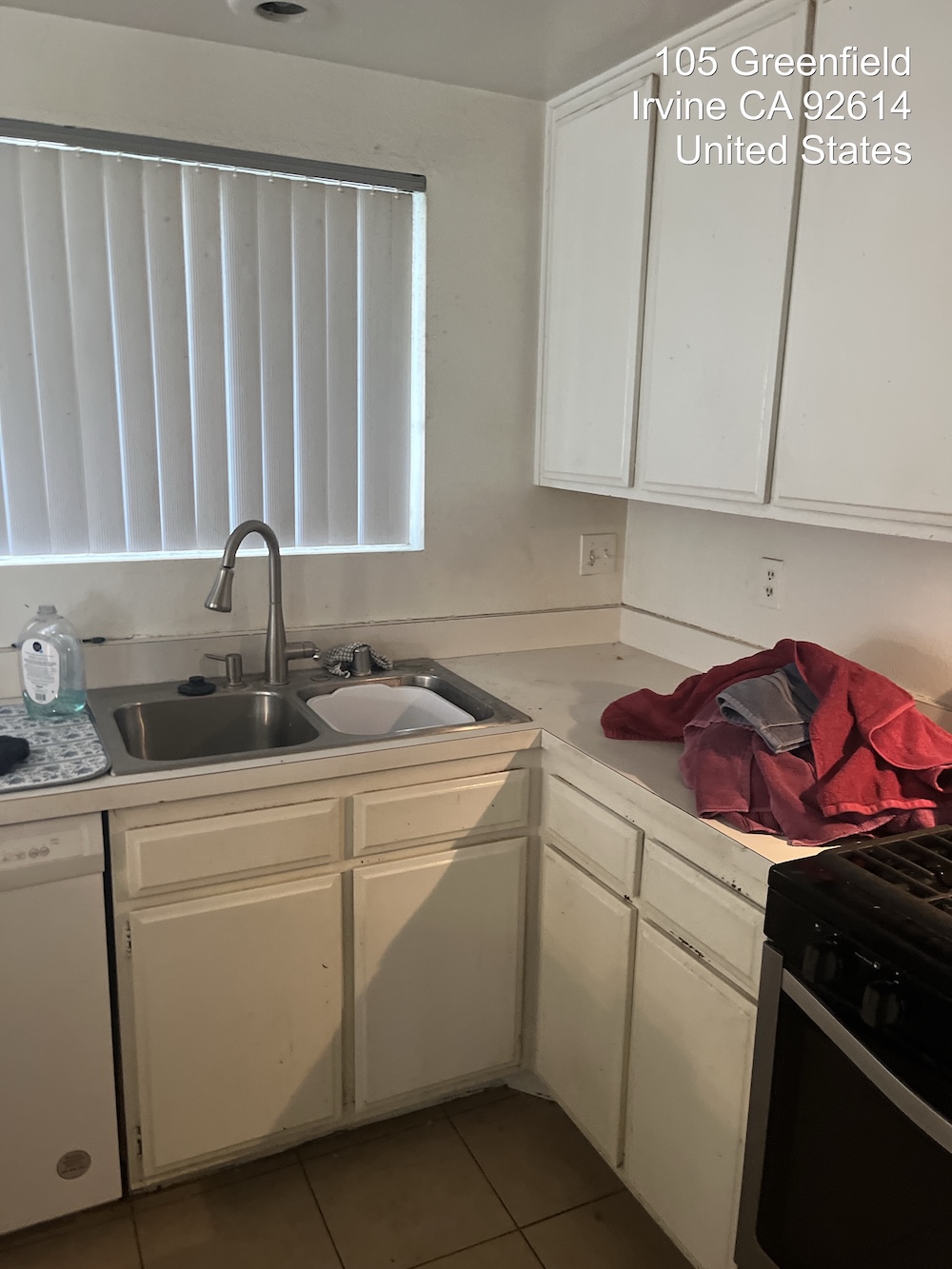
One of the most common questions California landlords ask—especially self-managed property owners—is whether they can legally charge a cleaning fee to tenants. With rising turnover costs and stricter tenant protection laws, it’s important to understand what California law actually allows, and where landlords often make costly mistakes.
The short answer: California landlords generally cannot charge a non-refundable cleaning fee, but they can charge for cleaning in certain situations. The difference matters, and getting it wrong can expose you to disputes, refund demands, or even legal penalties.
This guide breaks down California cleaning fee rules in plain English, with practical tips for landlords.
Short Answer: Cleaning Fees vs. Cleaning Charges
In California, there is a legal distinction between a cleaning fee and cleaning costs deducted from a security deposit.
Non-refundable cleaning fees: ❌ Generally not allowed
Cleaning charges deducted from a security deposit: ✅ Allowed, under specific conditions
California law tightly regulates what landlords can charge tenants at move-out, and labels don’t matter as much as how the charge works in practice.
Why Non-Refundable Cleaning Fees Are Usually Illegal in California
Under California Civil Code §1950.5, most money collected from a tenant at the beginning of a tenancy—other than rent—is treated as a security deposit, regardless of what it’s called.
This means:
Calling it a “cleaning fee,” “move-out fee,” or “turnover fee” does not avoid the law
If the money is collected in advance and is not refundable, it likely violates the security deposit rules
California allows security deposits to be used only for specific purposes, including:
Unpaid rent
Repairing tenant-caused damage beyond normal wear and tear
Cleaning the unit to return it to the same level of cleanliness as at move-in
Because of this, automatic or flat cleaning fees charged regardless of condition are generally unlawful.
When a California Landlord Can Charge for Cleaning
California landlords can charge tenants for cleaning after move-out, but only if certain conditions are met.
1. Cleaning Must Go Beyond Normal Wear and Tear
Tenants are not responsible for:
Light dust
Minor carpet wear
Normal scuffs or aging
Landlords may charge for:
Excessive dirt or grease
Trash or personal property left behind
Pet hair, odors, or stains beyond ordinary use
Filthy appliances, bathrooms, or floors
If the unit is returned reasonably clean, you generally cannot deduct cleaning costs, even if you personally prefer a higher standard.
2. Cleaning Charges Must Be Actual and Reasonable
Any cleaning deduction must reflect actual costs incurred, not a preset amount.
That means:
Charging $400 because “that’s our standard cleaning fee” is risky
Charging $275 based on a real invoice or reasonable market rate is more defensible
Best practice:
Use professional cleaners when possible and keep invoices. If you do the cleaning yourself, document time, tasks, and reasonable hourly rates.
3. You Must Provide an Itemized Statement
California law requires landlords to provide an itemized statement of deductions within 21 days of the tenant moving out.
For cleaning charges, this should include:
Description of the cleaning performed
Cost of each service
Copies of receipts or invoices (or a good-faith estimate if work isn’t complete)
Failing to provide proper documentation can invalidate the deduction—even if the cleaning was justified.
What About Charging a Cleaning Fee at Move-In?
Some landlords try to charge a “move-in cleaning fee” instead of a deposit. In California, this is usually treated as part of the security deposit, even if labeled differently.
Key risks:
It may push the total deposit over the legal cap (generally one month’s rent for unfurnished units, two months for furnished, with some exceptions)
If it’s non-refundable, it can violate Civil Code §1950.5
Courts often side with tenants when fees appear designed to bypass deposit limits
Bottom line: A move-in cleaning fee that is non-refundable is likely unenforceable in California.
Can Cleaning Fees Be Written Into the Lease?
You can include lease language that:
Requires the tenant to return the unit in the same level of cleanliness as at move-in
States that cleaning beyond normal wear and tear may be deducted from the security deposit
Explains how cleaning charges are calculated
You should avoid lease clauses that:
Automatically charge a flat cleaning fee at move-out
Claim cleaning fees are “non-refundable”
Waive tenant rights under California law
Lease terms that conflict with state law are generally unenforceable—even if the tenant signed them.
Move-In Condition Reports Are Critical
One of the biggest mistakes self-managed landlords make is skipping proper documentation.
To support cleaning deductions:
Complete a move-in condition checklist
Take dated photos or video showing the unit’s cleanliness
Provide the checklist to the tenant and keep a signed copy
If you can’t prove the unit was cleaner at move-in, it becomes very difficult to justify cleaning charges later.
Special Note: Short-Term Rentals vs. Long-Term Rentals
Short-term rentals (like vacation rentals) often charge cleaning fees. These are governed by different rules and are typically structured as service fees, not security deposits.
For long-term residential tenancies in California, the rules discussed in this article apply.
Do not assume Airbnb-style practices are legal for traditional rentals.
Best Practices for California Landlords
To stay compliant and reduce disputes:
Do not charge non-refundable cleaning fees
Use security deposits properly and within legal limits
Document move-in and move-out conditions thoroughly
Charge only for cleaning beyond normal wear and tear
Provide itemized statements and receipts within 21 days
Use clear, lawful lease language
Bottom Line: Can a California Landlord Charge a Cleaning Fee?
In most cases, California landlords cannot charge a non-refundable cleaning fee. However, they can deduct reasonable cleaning costs from the security deposit when a tenant leaves the unit dirty beyond normal wear and tear—if they follow the rules.
Understanding this distinction helps landlords protect their investment while staying compliant with California tenant laws.
Disclaimer: This article is for informational purposes only and does not constitute legal advice. Landlord-tenant laws change and can vary by situation. Consult a California attorney or qualified housing professional for guidance specific to your rental property.