
Mold Remediation, Tenant Communication, and Documentation: A Practical Guide for California Landlords - PART 2
SEO Keywords: mold remediation California rental property, landlord mold checklist, tenant mold responsibilities, California mold disclosure, mold prevention rental unit, mold repair timeline California
This second part focuses on the practical steps California landlords should take to remediate mold, communicate with tenants, document issues properly, and prevent future problems. These processes not only ensure compliance with California law but also protect rental property value and reduce liability.
Why Proper Mold Remediation Procedures Matter
Mold isn’t simply a cleaning issue—it’s a health and habitability concern. Improper remediation can:
Allow mold to return
Cause tenant health complaints
Lead to code enforcement involvement
Result in legal claims or rent reduction
Increase property damage over time
Landlords who follow a structured remediation process minimize risk and address the root problem effectively.
How to Conduct a Proper Mold Inspection in a Rental Property
A thorough inspection identifies three critical things:
1. Source of Moisture
Mold cannot grow without water. The inspection should include:
Plumbing
Roofing
Windows and flashing
HVAC condensation
Exterior drainage
Tenant-related moisture (showers, cooking, drying clothes indoors)
2. Extent of Mold
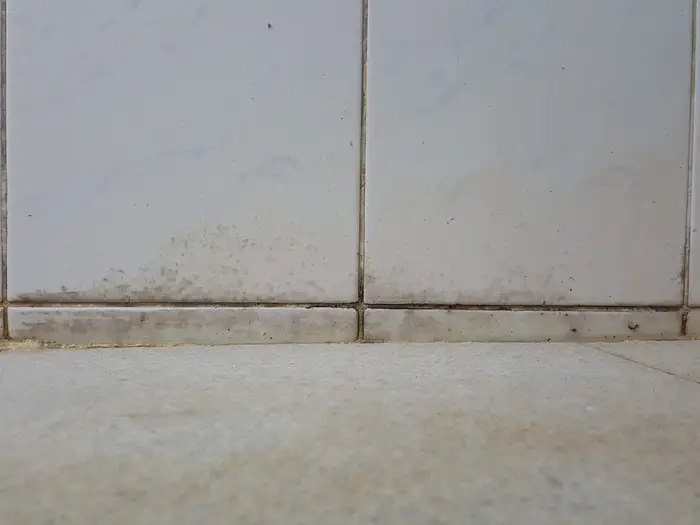
Surface mold on tile grout is far different from mold inside walls or insulation.
3. Whether Professional Remediation Is Needed
General rule:
Under 10 sq. ft. → Minor & may be cleaned by maintenance
Over 10 sq. ft. → Requires professional remediation
California landlords should document all findings and repair decisions.
Hiring a Professional Mold Remediation Company
When the issue is significant, landlords should rely on licensed mold remediation companies. A reputable company will:
Contain affected areas
Use HEPA filtration
Remove contaminated materials properly
Clean and disinfect using approved treatments
Perform clearance testing if required
Professional remediation is not only safer but also strengthens legal protection should a dispute arise later.
Timeline Requirements Under California Law
California law requires repairs to be made within a reasonable time, typically interpreted as:
24–48 hours to address water leaks
7–10 days to make repairs after notice
Immediately if the condition threatens habitability
Landlords who delay risk:
Rent withholding
Tenant relocation expenses
Code enforcement citations
Prompt action is both a legal requirement and smart risk management.
How to Communicate With Tenants During Mold Issues
Clear, written communication helps maintain trust and prevents disputes.
When mold is reported, landlords should:
Acknowledge the report in writing
Schedule an inspection promptly
Provide entry notices
Explain the next steps
Update tenants throughout the process
If the tenant caused the mold
Landlords should provide:
Evidence (photos, inspection notes)
A description of lease violations (e.g., not using ventilation)
A timeline for corrective action
Potential charges
Mold-prevention instructions
Professional and factual communication prevents escalation.
Tenant Responsibilities Under California Law
Under SB 655, tenants are responsible for mold caused by:
Failure to maintain cleanliness
Failure to ventilate
Blocking air circulation
Causing water damage
Ignoring moisture or mold until it becomes severe
Landlords can charge tenants for remediation if their actions caused the issue. A mold addendum is essential to support this.
Documentation Landlords Should Keep
Proper documentation is your strongest protection. Keep:
Photos/video of mold and moisture
Tenant maintenance requests
Inspection reports
Invoices from remediation companies
Lease agreements and mold addendums
Tenant communication logs
Receipts for repairs
Good documentation makes disputes easier to resolve and supports security deposit deductions when needed.
How Mold Affects Security Deposit Deductions
Landlords may deduct from a tenant’s deposit when:
Mold resulted from tenant behavior
Tenant failed to report leaks promptly
Poor housekeeping contributed to mold
The tenant caused water damage (overflow, spills, etc.)
Landlords may not deduct when mold is related to:
Plumbing failures
Structural leaks
Normal wear-and-tear moisture issues
Providing a detailed itemized statement with photos and invoices is critical.
Preventing Mold Recurrence After Remediation
Even after mold is removed, landlords must ensure the problem doesn’t come back.
1. Address the moisture source completely
This may require:
Upgraded ventilation
Resealing windows
Replacing plumbing
Improving exterior drainage
2. Use mold-resistant materials
For example:
Mold-resistant drywall
Waterproof paint
Caulk with mold inhibitors
3. Install ventilation upgrades
Timed bathroom fans and continuous low-flow exhaust systems dramatically reduce mold recurrence.
4. Educate tenants at move-in
Provide:
Moisture control tips
Instruction on ventilation
Policies requiring prompt reporting of leaks
Proactive oversight reduces long-term maintenance costs.
How to Protect Yourself From Mold-Related Liability
To reduce risk:
Respond immediately to mold reports
Document all steps
Hire licensed professionals
Keep written communication
Perform regular inspections
Include a mold addendum in every lease
Most mold disputes escalate because of delays, not because of the presence of mold itself.
Conclusion for Part 2
Mold management is a critical part of operating rental property in California. With strong laws protecting tenants and high expectations for habitability, landlords must follow best practices for inspection, remediation, documentation, and communication. By responding quickly, working with professionals, and setting clear tenant expectations, landlords can minimize mold issues and avoid legal complications. Protecting your property from mold is not only a maintenance responsibility—it’s a smart investment in long-term asset preservation.
