
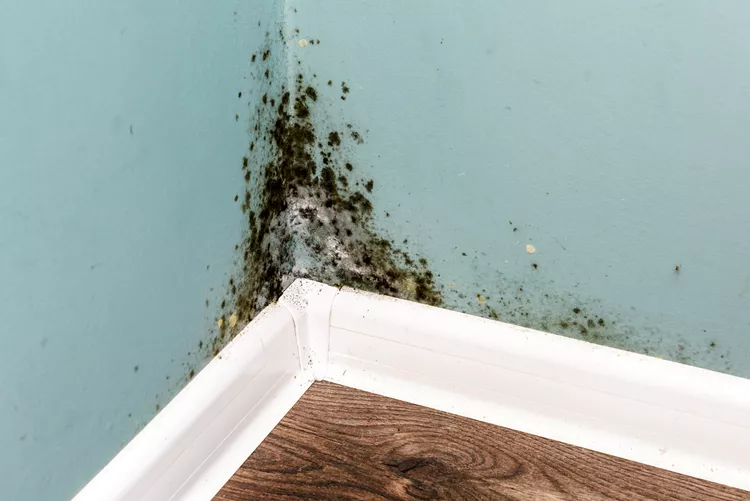
Mold in California Rental Housing: What Landlords Need to Know - Part 1
SEO Keywords: California landlord mold law, mold in rental property, California habitability standards mold, landlord responsibilities mold, rental housing mold prevention, California Health & Safety Code mold
Mold is one of the most common and frustrating problems California landlords face. Between the state’s coastal humidity, seasonal rains, and older housing stock, mold issues can develop quickly—especially when a tenant doesn’t report water damage promptly. Because California treats mold as a habitability concern, landlords must understand their legal responsibilities, how to prevent mold, what to do when it appears, and how to protect themselves from liability. This comprehensive guide breaks down everything California landlords need to know about mold requirements, compliance, and best practices.
Understanding Mold and Why It Forms in Rental Housing
Mold thrives in environments with moisture, warmth, and poor ventilation. In California rentals, the most common causes include:
Leaking roofs
Plumbing leaks
Poor bathroom ventilation
Groundwater intrusion
Overflowing tubs, toilets, or sinks
Condensation from gas appliances
Tenant lifestyle choices (e.g., not using exhaust fans, drying clothes inside)
While mold itself is a biological organism, the law treats it as a housing condition that can make a unit unsafe or unhealthy. California landlords need to work proactively to eliminate moisture sources and address mold the moment they learn about it.
California Mold Regulations: What Landlords Are Legally Required to Do
California has strong protections regarding habitability, and mold is no exception. Several laws outline landlord responsibilities:
1. California Health & Safety Code §17920.3
This is the primary law defining uninhabitable conditions. It includes visible mold growth as a substandard housing condition when it endangers health.
2. SB 655 (2016)
This law clarified that:
Mold caused by landlord negligence must be corrected by the landlord.
Mold caused by tenant misuse or poor housekeeping is the tenant’s responsibility.
Tenants must give landlords access for inspections or remediation.
3. Implied Warranty of Habitability
Landlords must provide a unit free from hazardous mold and excessive moisture. If mold makes the home unsafe, landlords must remedy it within a reasonable time.
4. Mold Disclosure Requirements
Under California law, landlords must:
Disclose any known mold that exceeds permissible exposure limits.
Provide tenants with the state’s mold information booklet (often included in move-in packets).
These regulations make it clear: Landlords are responsible for maintaining a mold-free and moisture-controlled property unless the tenant caused the condition.
Common Mold Scenarios in Rentals — And Who Is Responsible
Determining responsibility is critical because it affects repair costs, notices, and potential deductions from a security deposit.
Scenario 1: Roof Leak → Mold in Ceiling
Landlord Responsibility
This is a structural failure, and the landlord must fix the leak and remediate mold.
Scenario 2: Shower Not Used with Fan → Mold on Ceiling
Tenant Responsibility
If the tenant fails to use ventilation and mold develops, they can be held responsible.
Scenario 3: Slow Plumbing Leak Behind Wall
Landlord Responsibility
Hidden leaks are habitability issues unless caused by tenant misuse.
Scenario 4: Tenant Overflows Bathtub
Tenant Responsibility
Resulting mold from standing water is the tenant’s financial liability.
Scenario 5: Condensation from Poor Window Insulation
Shared Responsibility
The landlord may need to improve insulation, but the tenant must ventilate properly.
How Landlords Should Respond When Mold Is Reported
When a tenant reports mold—or when a landlord discovers it during an inspection—speed is critical.
Step 1: Document everything
Take photos, videos, and notes. Documentation protects you and helps determine fault.
Step 2: Inspect the moisture source
Fixing mold without addressing the moisture will only result in recurrence.
Step 3: Hire a licensed mold remediation professional
DIY cleaning is risky and may violate safety standards if mold is extensive.
Step 4: Communicate clearly with tenants
Provide written updates, timelines, and notices to enter.
Step 5: Provide temporary housing if required
If the mold makes the unit temporarily uninhabitable, relocation may be required.
Acting quickly reduces liability and demonstrates good-faith compliance with California habitability laws.
Preventing Mold: Best Practices for California Landlords
Prevention is significantly cheaper than remediation. Key strategies include:
1. Regular Inspections
Check for leaks, moisture, caulking, attic ventilation, and musty odors.
2. Install Proper Ventilation
Exhaust fans in bathrooms and kitchens should vent to the exterior.
3. Use Mold-Resistant Materials
Drywall, paints, and caulking can slow the spread of mold.
4. Control Humidity
Dehumidifiers may be necessary in coastal or high-humidity zones.
5. Educate Tenants
Provide a mold-prevention addendum outlining tenant responsibilities.
Landlords who focus on prevention see fewer repair costs and fewer disputes.
How Mold Impacts Landlord Liability
Failure to address mold can expose a landlord to:
Rent withholding
Tenant lawsuits
Relocation reimbursements
Code enforcement penalties
Claims for health-related damages
Responding promptly to mold reports and maintaining detailed documentation are the best defenses against liability.
Conclusion for Part 1
Mold is one of the most significant habitability issues California landlords face, but with proper understanding, proactive maintenance, and strong communication, landlords can protect their properties and avoid legal trouble. Mold laws in California are strict, but compliance is straightforward when landlords act quickly, address moisture sources, and implement prevention strategies.
